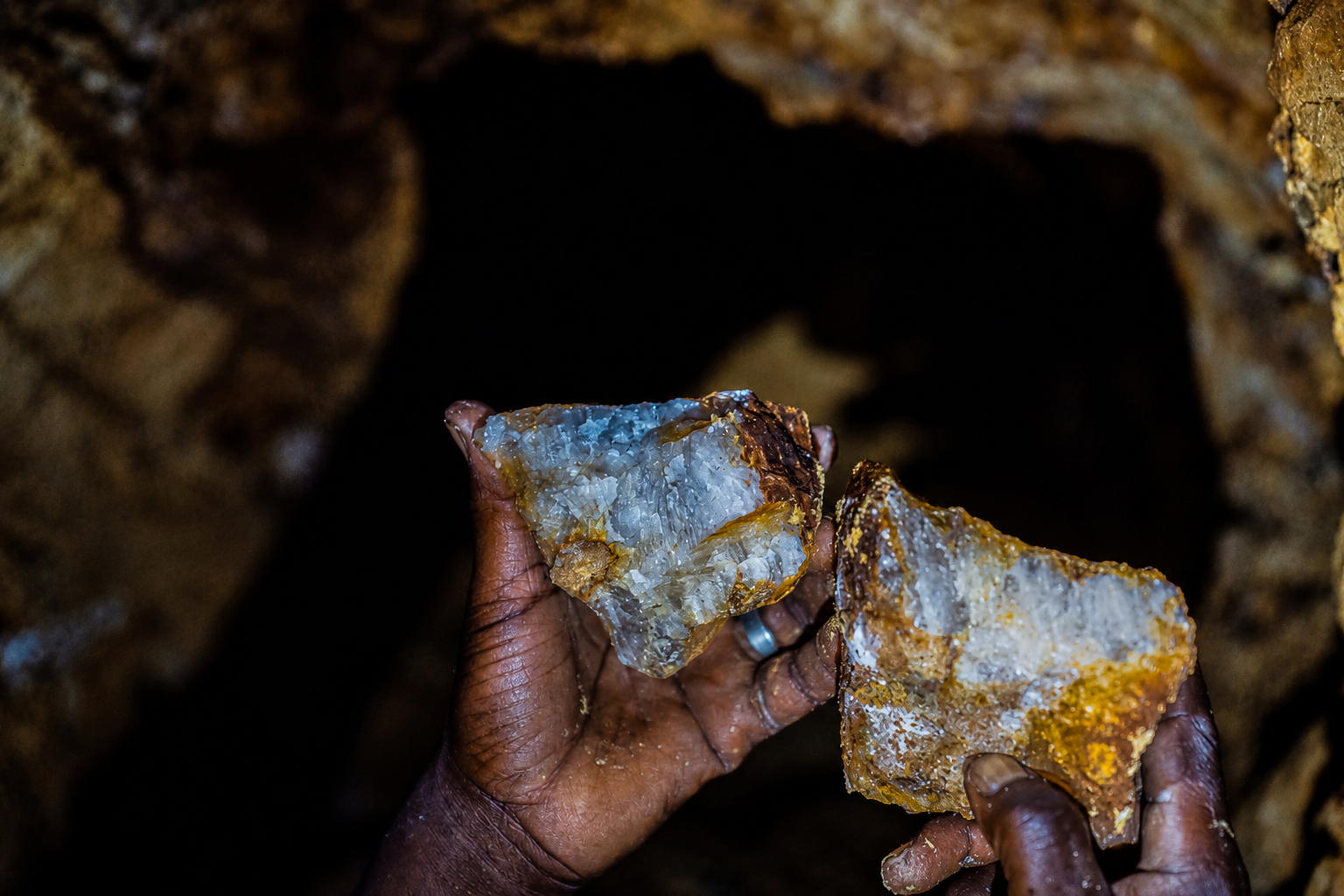
West Africa continues its decisive pivot toward resource sovereignty as Conakry implements a strict ban on shipments of unrefined yellow metal, forcing multinational miners and independent operators to redirect their supply chains inward. General Mamady Doumbouya announced the sweeping regulatory shift during a high-stakes gathering with industry stakeholders, declaring that the historical practice of exporting raw mineral wealth overseas must immediately cease. Under the newly enacted framework, every gram of gold extracted from the soil must undergo complete smelting, processing, and certification within national borders before reaching international markets.
The policy directly targets a persistent structural paradox across the region where immense mineral riches fail to translate into adequate domestic prosperity. Government figures indicate that industrial corporations, semi-industrial ventures, and artisanal producers combined to export 22,142 kilograms of gold during the opening quarter of the year alone, yet the financial gains of downstream beneficiation have traditionally accrued to foreign refiners. By routing production through domestic processing infrastructure centered around newly established refining facilities in the capital city, the administration aims to capture higher profit margins, generate skilled domestic employment, and insulate the national economy from volatile global commodity swings.
Industry reaction has been swift, as corporate legal teams and international mining houses review their operational agreements for potential friction points. While the state maintains broad regulatory authority under existing mining codes to encourage local value addition, corporate stakeholders point out that long-standing contractual clauses often guarantee specific export freedoms. Navigating these legal intersections will require delicate diplomatic and commercial maneuvering. Furthermore, logistics pose a considerable hurdle, particularly for the vast network of artisanal workers who previously transported raw material across borders, and who now must adapt to new domestic compliance channels and certification protocols.
Despite these operational complexities, the executive mandate underscores a broader continental momentum toward commodity nationalism, echoing similar value-retention policies enacted by resource-rich peers across the continent. Observers note that the success of the initiative will hinge heavily on whether supportive regulatory ecosystems, reliable power supplies, and transparent administrative procedures can keep pace with aggressive state timelines. As investors monitor developments closely, Conakry remains firm in its resolve to ensure that national assets build domestic industrial depth rather than fueling foreign manufacturing hubs.
Boardroom Voices Africa insight
This decisive regulatory enforcement highlights a profound structural shift across African mining jurisdictions where resource nationalism is moving past rhetoric into aggressive execution. For corporate strategists, long-term viability in the region will no longer depend merely on extraction volume, but on genuine partnership in domestic industrialization and localized supply chain integration.