The global race to dominate the artificial intelligence economy is creating opportunities far beyond software and semiconductors. As demand for AI-powered computing surges, companies across multiple industries are positioning themselves to benefit from the enormous infrastructure investments required to support the next generation of digital technologies.
Among them is General Motors (GM), the iconic American automaker, which is exploring new battery chemistry technologies as part of a broader strategy to expand its presence in the fast-growing energy storage market. The move highlights how the AI revolution is creating new business opportunities for companies traditionally associated with manufacturing and transportation.
For decades, GM has been recognized primarily as one of the world’s leading automobile manufacturers. However, the company’s significant investments in electric vehicle technology and battery development are now opening doors to entirely new sectors, including energy storage systems designed to support AI data centres, renewable energy projects, and critical infrastructure.
Artificial intelligence may be powered by algorithms, but behind every AI model lies a vast network of data centres that require enormous amounts of electricity to operate.
As businesses increasingly adopt AI tools, cloud computing services, and machine learning applications, technology companies are investing billions of dollars in new data centre infrastructure. Industry leaders such as Microsoft, Google, Amazon, Meta, and Open AI continue to expand their computing capabilities to meet rising demand from consumers and enterprises worldwide.
This rapid expansion is creating unprecedented pressure on energy systems. Data centres operate around the clock and require stable, uninterrupted power supplies to process massive volumes of information. Any disruption can result in operational downtime, financial losses, and reduced service reliability.
As a result, energy storage solutions are becoming a critical component of modern digital infrastructure.
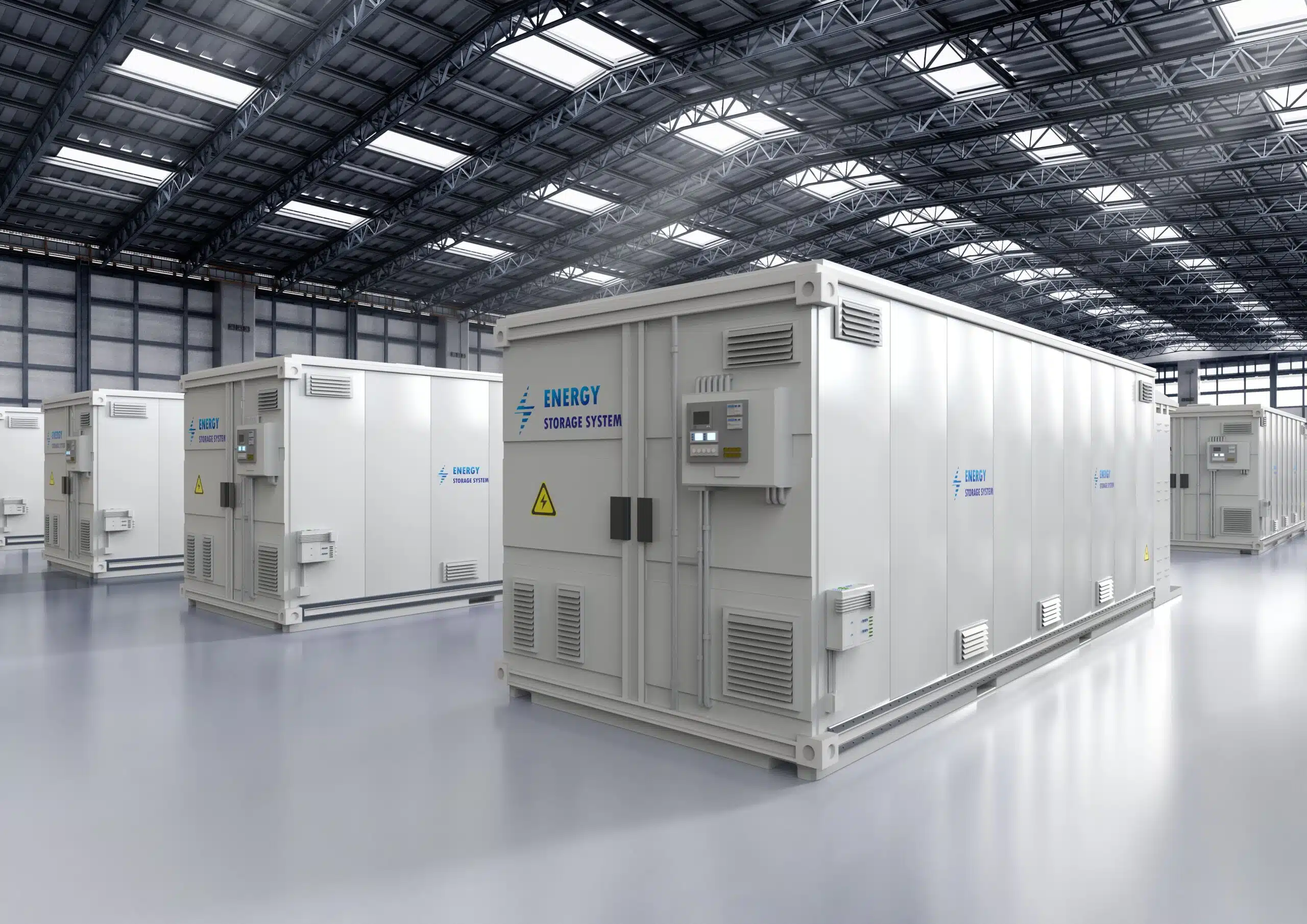
Energy storage systems allow data centres and utilities to store electricity for use when demand peaks or when renewable energy generation fluctuates. Advanced batteries can provide backup power, stabilize electricity networks, and improve overall energy efficiency.
GM believes that innovations in battery chemistry could make these systems more affordable, durable, and scalable. By applying lessons learned from years of electric vehicle battery development, the company hopes to create technologies capable of serving both transportation and stationary energy markets.
The company’s battery expertise has been built through substantial investments in electric mobility, including the development of next-generation battery platforms designed to increase performance while reducing costs. Now, those same capabilities could be adapted to address the growing energy demands of AI infrastructure.
The opportunity is significant. Analysts expect the global energy storage market to expand dramatically over the coming decade as governments, businesses, and technology companies seek reliable ways to manage rising electricity consumption.
GM’s interest in energy storage reflects a broader trend among major industrial companies seeking to diversify their revenue streams.
Rather than relying solely on vehicle sales, manufacturers are increasingly exploring opportunities in clean energy, software, autonomous technology, and infrastructure development. The convergence of these industries is creating entirely new business models and markets.
For GM, energy storage represents a logical extension of its existing investments. The same battery technologies that power electric vehicles can also support commercial energy systems, renewable energy projects, and large-scale industrial operations.
As AI continues to reshape the global economy, companies capable of delivering reliable energy solutions may find themselves at the centre of one of the most important growth sectors of the 21st century.
The relationship between artificial intelligence and energy demand is becoming one of the defining economic challenges of the decade.
Research suggests that electricity consumption from data centres could rise significantly as AI adoption accelerates. Governments and corporations are therefore searching for innovative ways to ensure adequate energy supply while meeting sustainability targets.
This is driving investments not only in renewable energy generation but also in battery storage technologies capable of supporting modern power systems.
Companies that successfully develop more efficient, longer lasting, and lower-cost battery solutions are likely to benefit from growing demand across multiple sectors, including transportation, utilities, telecommunications, manufacturing, and cloud computing.
The development is particularly relevant for Africa, where digital transformation and energy access remain key priorities.
Across the continent, governments and private investors are increasing investments in technology infrastructure, including data centers, broadband connectivity, cloud services, and digital innovation hubs. Countries such as Nigeria, Kenya, South Africa, Egypt, Rwanda, and Ghana are positioning themselves as emerging technology destinations.
However, energy reliability remains a major challenge in many African markets. Frequent power shortages, aging infrastructure, and growing electricity demand continue to limit the pace of digital growth.
Advanced battery storage technologies could help address some of these challenges by improving grid stability, supporting renewable energy projects, and providing backup power for critical infrastructure.
As battery costs continue to decline and new technologies emerge, African businesses, governments, and technology providers may gain access to more affordable energy solutions capable of supporting economic growth and digital expansion.
The increasing intersection between AI, energy, and infrastructure could also create opportunities for local investment, job creation, and industrial development across the continent.
GM’s exploration of new battery chemistry is more than an automotive story it is a glimpse into the future of global business.
The AI revolution is not only transforming technology companies; it is reshaping industries ranging from energy and manufacturing to transportation and infrastructure. As demand for computing power grows, the companies that can provide reliable, scalable, and sustainable energy solutions will become increasingly important players in the global economy.
For Africa, the trend presents both a challenge and an opportunity. While the continent must address persistent energy gaps, emerging battery technologies could help accelerate digital transformation and support the next wave of economic growth.
The future of AI may be built on data, but its success will ultimately depend on energy and the companies capable of powering that future are positioning themselves today.