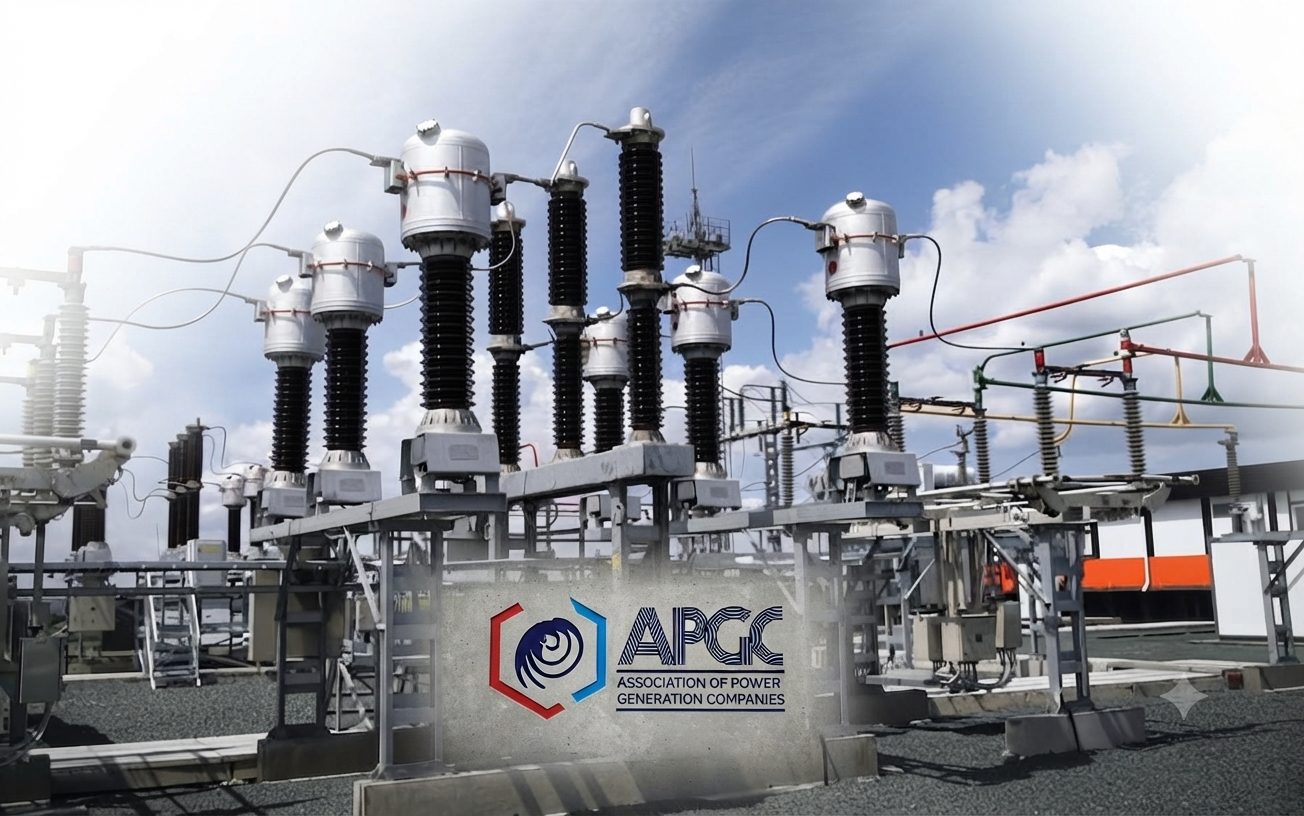
Commercial power production across the national grid faces an existential threat as a severe liquidity crisis ripples through the entire electricity value chain. Power generation companies, long constrained by mounting unpaid invoices and delayed settlements, find themselves increasingly locked out of the fuel supply market. Upstream gas suppliers are turning off the valve, leaving thermal stations starved of the essential feedstock required to keep turbine generators spinning.
The unfolding crisis highlights a deep structural disconnect within the power sector ecosystem. Industry data indicates that cumulative liabilities owed to generation companies have surpassed the 3 trillion naira mark, driven by persistent remittance shortfalls and unpaid energy invoices that accumulate month after month. Because gas producers operate on strict commercial terms, the chronic lack of liquidity among power generators has made it impossible to maintain routine credit lines. Consequently, fuel suppliers are abandoning traditional supply agreements in favor of strict cash and carry arrangements.
Representatives for power producers note that the heavy financial strain has severely impaired operational readiness. Many thermal stations require steady capital injections to service complex heavy machinery, procure replacement parts, and meet routine maintenance schedules. Without predictable cash flows, plant operators are left with minimal room to maneuver, forcing several facilities to scale back production significantly or shut down operations altogether. Prominent installations, including regional independent power projects, have reported extended periods of complete inactivity after exhausting their fuel reserves and credit limits.
Government interventions, including structured bond issuances designed to liquidate legacy debts and restore market confidence, are currently underway. Stakeholders acknowledge these administrative steps as positive gestures toward stabilizing the market. However, industry advocates argue that piecemeal bond tranches fail to plug the widening hole created by ongoing monthly deficits. Fresh liabilities continue to pile up faster than legacy obligations can be cleared, rendering short-term bailouts insufficient for long-term sector viability.
The broader implications of these supply disruptions extend directly to everyday consumers and commercial enterprises. As thermal plants drop offline or operate at fractional capacities, the national grid experiences severe generation deficits, triggering widespread load shedding and prolonged blackouts. Small business owners and manufacturing outfits, already grappling with elevated operational expenses, are forced to rely heavily on expensive alternative fuel sources to maintain basic commercial activities. Experts warn that unless authorities implement comprehensive market reforms, enforce strict payment discipline across distribution networks, and establish sustainable funding models, the power sector will remain trapped in a destructive cycle of fuel shortages and systemic collapse.
Boardroom Voices Africa Insight
The current distress in the power sector underscores a fundamental truth about infrastructure development on the continent, which is that capital-intensive industries cannot function on goodwill and deferred promises alone. When upstream fuel providers are starved of payments, downstream generation grinds to a halt, exposing the fragility of integrated energy markets. Solving this recurring paralysis requires moving beyond temporary debt-settlement bonds toward enforcing strict commercial accountability across every node of the value chain. True energy security will only materialize when electricity markets price energy realistically, protect investments, and ensure that commercial participants honor their financial obligations.