France has officially reaffirmed its long term commitment to expanding commercial and development relations with Nigeria. The move reinforces Nigeria as the primary engine for French enterprise in West Africa and signals a strong pivot toward execution driven economic cooperation.
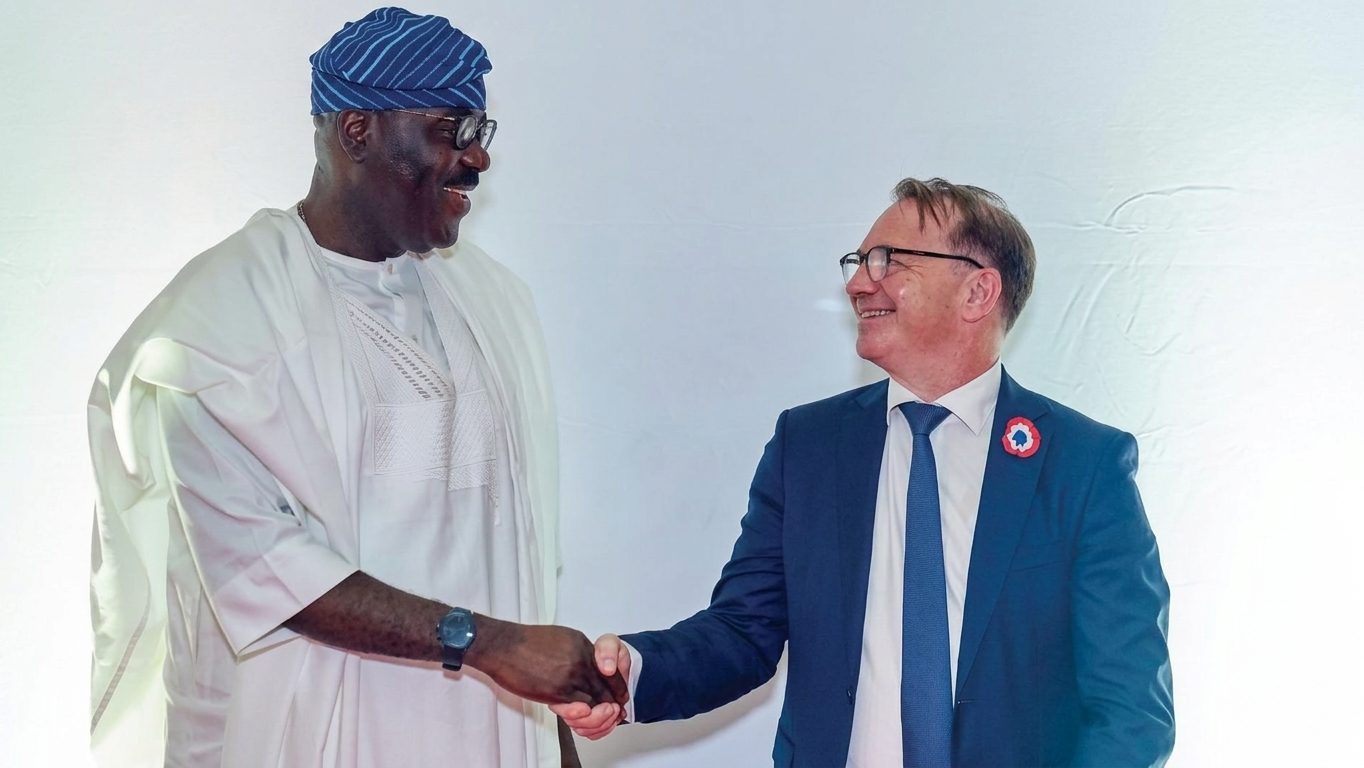
Speaking at diplomatic proceedings in Lagos, Laurent Favier, the Consul General of France, highlighted the accelerating momentum between both nations. The strengthening ties cover strategic sectors including energy transition, urban transport, agriculture, digital technology, and critical infrastructure.
This renewed commitment comes on the heels of impressive commercial numbers. Bilateral trade between France and Nigeria climbed to 4.7 billion dollars in 2025, confirming Nigeria as the single largest trading partner for France in sub Saharan Africa. Furthermore, Nigeria absorbs approximately 60 percent of all French investments in West Africa. Over 100 French enterprises operate directly within the country, generating well over 16,000 formal domestic jobs across key production and service industries.
The economic relationship is underpinned by large scale project financing through French development channels. Over the past 17 years, the French Development Agency, known widely as AFD, has poured over 3.3 billion euros into 57 high impact projects across 23 Nigerian states. Out of this funding pool, more than 1.1 billion euros was deployed through Proparco, the private sector financing arm of the French agency, to support local entrepreneurs, scale small businesses, and strengthen financial institutions.
Recent interventions demonstrate that French interests in Nigeria extend beyond conventional commercial agreements into strategic capacity building. Last month, Business France spearheaded a targeted oil and gas trade mission to Nigeria, bringing a dozen major French energy companies into direct talks with domestic industry leaders. On the energy transition front, the French Treasury is directly backing a specialized pilot initiative in Katsina State designed to establish small hydroelectric power stations, helping to decentralize power generation and improve energy access in regional industrial hubs.
Major corporate deals are also reshaping the services sector. Joint ventures between French brands and Nigerian groups, such as the hospitality partnership between Accor and Shoreline Group, highlight growing private capital confidence in Nigeria’s consumer and tourism markets.
Government leaders from both capitals maintain that the priority for this partnership is no longer abstract diplomatic goodwill, but rather tangible economic execution that produces real industrial assets, modern infrastructure, and quality employment.
Boardroom Voices Africa Insight
The steady expansion of French capital in Nigeria marks a significant evolution in how European economies interact with West Africa. For decades, traditional trade pathways centered primarily on raw extraction. What we are witnessing today is a strategic shift toward operational integration, infrastructure co development, and private sector expansion.
For Nigerian corporate leaders and institutional investors, France’s 3.3 billion euro development footprint and 4.7 billion dollar trade volume send a clear signal. Global capital is looking past near term macroeconomic adjustments to lock in long term market share in Africa’s most populous nation. The emphasis on renewable energy, logistics, and private sector capital deployment through Proparco proves that foreign direct investment is increasingly tied to sustainability and localized job creation.
However, the real test lies in domestic execution. To fully capitalize on this French momentum, Nigerian policymakers and local business leaders must ensure that these multi million euro commitments translate into streamlined regulatory frameworks, protected investments, and genuine technology transfer. For C suite executives across Africa, the takeaway is clear, building structured, private sector led coalitions remains the fastest route to turning diplomatic commitments into balance sheet growth.