The vast, beneath the surface wealth of Nigeria has long been a story of immense promise undercut by structural leakages, unrecorded extractions, and deep seated regulatory blind spots. For decades, the solid minerals sector has contributed an underwhelming figure of less than one percent to the nation’s Gross Domestic Product, a statistic that stands in stark contrast to the massive deposits of gold, lithium, limestone, and iron ore waiting to be fully harnessed. In a decisive bid to rewrite this narrative, the Federal Government has announced a sweeping technology driven masterplan to fully digitise the mining landscape and establish an inescapable biometric dragnet for all operators.
This bold policy direction is taking shape through a newly formed strategic alliance between the Ministry of Solid Minerals Development and the National Identity Management Commission. By embedding the nation’s foundational digital identity infrastructure directly into the solid minerals regulatory framework, the government plans to enforce accountability in an industry that has historically been tough to police. Every mining license holder, site supervisor, and local operator will have their biological data explicitly mapped to their operational permits.
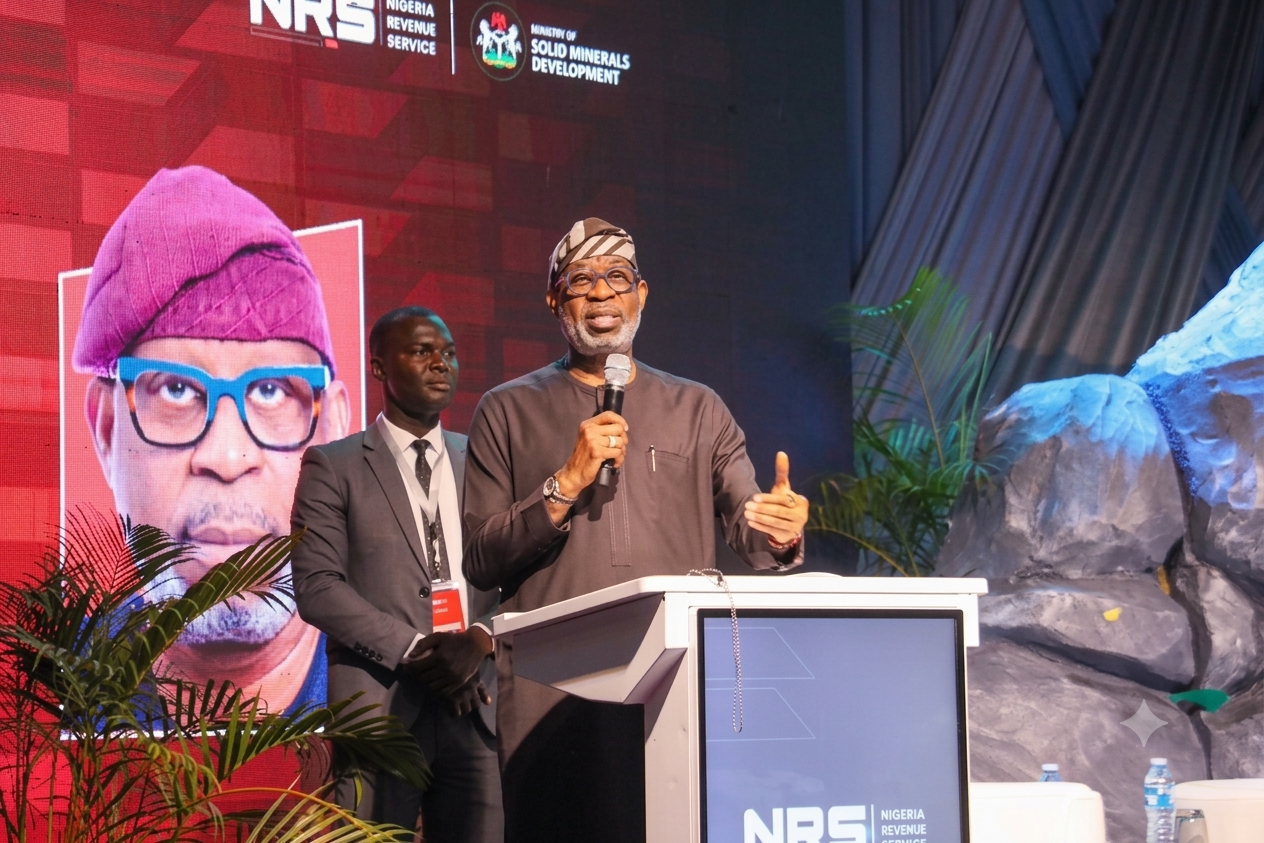
Speaking on the urgency of the intervention, the Minister of Solid Minerals Development, Dr Dele Alake, noted that modern governance relies entirely on data, technology, and credible verification systems. He observed that without proper identity protocols, the state cannot effectively trace or track activities on the ground, creating a chaotic vacuum where unlawful operations and local insecurity thrive. The objective of the new ecosystem is clear, to build a transparent barrier that cleanly separates legitimate, law abiding investors from rogue actors who exploit the country’s natural wealth illegally.
The technological overhaul moves far beyond simple record keeping. The initiative introduces a centralized digital platform designed to integrate corporate mining titles, production logs, royalty payments, and compliance metrics into a single window ecosystem. By transitioning away from archaic manual paperwork, the ministry aims to eliminate the classic bureaucratic bottlenecks that have historically enabled revenue underreporting and lease manipulation. Furthermore, this digital repository will be synchronized with geospatial mapping and real time satellite surveillance technology to flag unauthorized movements or illegal excavations in remote border regions.
This data backed strategy is designed to work in tandem with enforcement actions already deployed on the ground. The state will feed this live digital intelligence directly to the Mining Marshals, a specialized rapid response security outfit established to secure mining host communities and clamp down on mineral trafficking. Since their introduction, these marshals have shut down numerous illicit extraction points and secured high profile arrests. The addition of biometric tracing gives these field forces a massive advantage, ensuring that when an infraction occurs, the ultimate beneficiaries behind the illegal site can be unmasked and prosecuted, regardless of how far they sit from the actual trenches.
Beyond structural security, the push for digitization is expected to fundamentally alter the ease of doing business for international financiers. Global mining conglomerates looking at frontier markets place a premium on institutional transparency and verifiable geological data. By providing remote, digital access to verified mineral deposit statistics and simplifying the title application process, Nigeria is pitching itself as a stable, predictable destination for serious capital. The phased rollout will also help institutionalize the long neglected Community Development Agreements, ensuring that host areas receive their legal share of economic benefits while checking environmental degradation.
Boardroom Voices Africa Insight
The decision to weaponize digital identity and real time data platforms within the solid minerals value chain marks a necessary departure from cosmetic regulatory reforms. For too long, African resource wealth has been drained by informal networks because state oversight stopped where the paved roads ended. Nigeria’s framework offers a compelling case study in cross agency synthesis, proving that national security databases can actively double as tools for economic preservation.
However, technology is only as potent as the institutional will powering it. For this digital net to yield true economic dividends, the government must resist the temptation to let data sit in silos. The automated platform must remain completely insulated from political interference, and enforcement teams must act impartially when corporate titles are breached. If executed with absolute transparency, this digitisation drive will do more than just block revenue leaks, it will set a benchmark across the continent for how emerging markets can successfully transition from raw resource exploitation to high value, technology driven resource governance.