The global financial architecture is undergoing a profound psychological decoupling. For decades, the structural playbook for international asset managers was simple: when geopolitical hostility escalates in the Middle East and critical energy choke points are threatened, capital retreats to safe havens, emerging markets brace for inflationary shocks, and risk assets tumble.
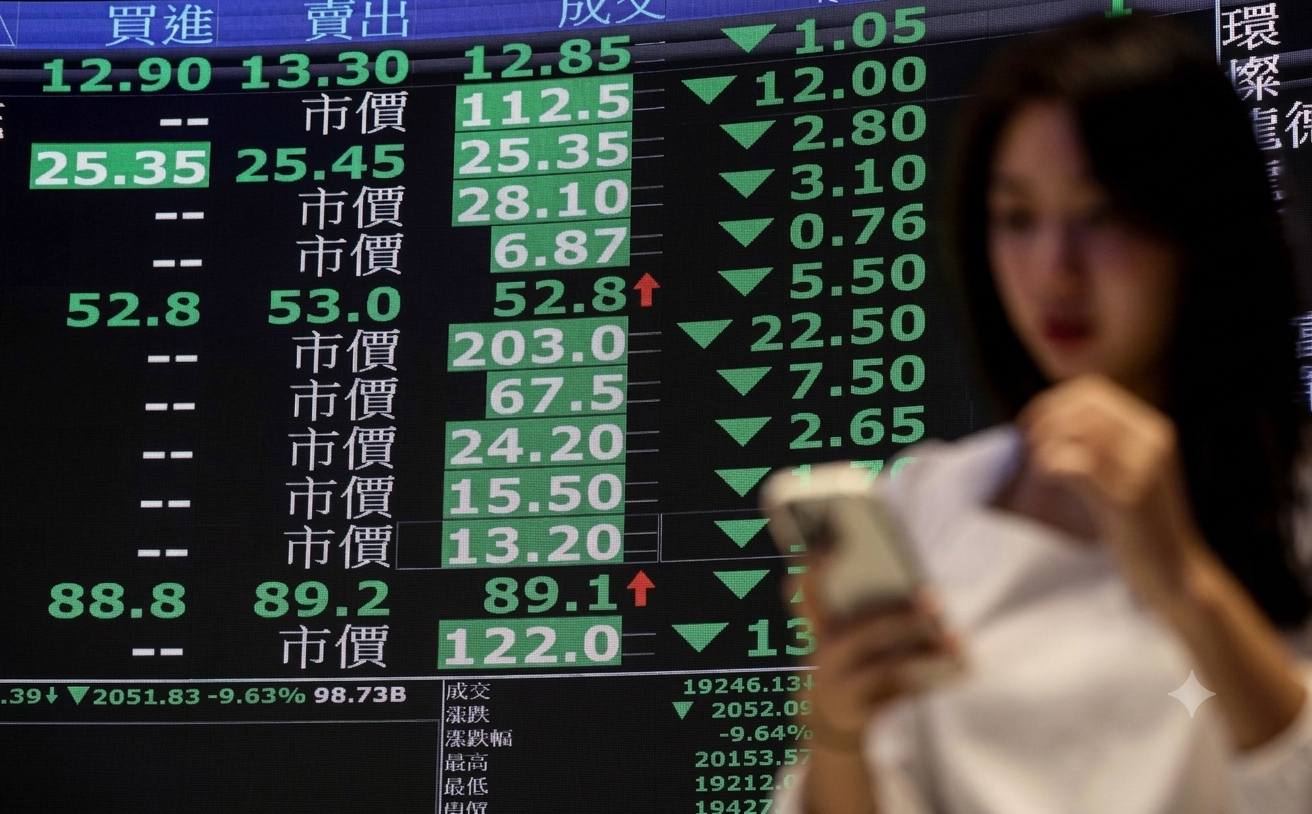
Yet the recent market action across Asia has defied this historical script. Despite escalating tit-for-tat military strikes between the United States and Iran that have fractured a fragile ceasefire and threatened energy flows through the Strait of Hormuz, regional equities have surged. Led by a sharp rebound in South Korea’s KOSPI and Japan’s Nikkei, capital is aggressively flowing back into the semiconductor and artificial intelligence ecosystems.
This decoupling is driven by a massive surge in tech optimism, notably underscored by South Korean chip giant SK Hynix advancing its historic United States American depositary share offering, which drew immense global interest and was oversubscribed more than seven times over. Investors are making a calculated bet that the long-term structural returns of the global artificial intelligence buildout outweigh the cyclical, transactional shocks of geopolitical volatility. Even with Brent crude futures reflecting heightened risk premiums and marking a notable weekly gain, the prevailing market appetite remains firmly anchored in silicon rather than oil.
The Boardroom Voices of Africa Perspective
From the perspective of African corporate boardrooms and institutional asset allocators, this global market shift offers profound strategic lessons that extend far beyond Asian tech corridors.
First, it illustrates a fundamental transformation in how global capital evaluates risk. Historically, African economies have been disproportionately penalized by external sentiment, where any frontier market volatility triggered a broad capital flight to Western or North American bonds. The fact that global fund managers are now willingly overlooking active military friction in a vital energy corridor to chase tech infrastructure proves that deep, secular growth stories can completely override traditional geopolitical risk premiums.
For African corporate leaders, the takeaway is clear. Developing institutional depth, domestic supply chain resilience, and clear structural growth stories within our own markets is the ultimate defense against global macro instability. When a sector offers undeniable long-term industrial utility, capital becomes remarkably resilient to short-term political headwinds.
Second, the structural insulation of modern markets is changing. Global analysts note that the global economy’s reliance on historical oil corridors has subtly shifted due to expanded energy production outside the Gulf, reducing the economic sting of regional disruptions.
African policymakers and business leaders must study this diversification mechanism. Africa’s long-term economic sovereignty relies on achieving similar structural insulation, transitioning from raw commodity dependencies into high-value manufacturing, digitized services, and regional supply chain integration.
Ultimately, this market cycle proves that capital chases real, productive capacity. If African capital markets can continue to build deep corporate champions and enforce stable, predictable local frameworks, global capital will view the continent not through the lens of inherent risk, but through the lens of undeniable opportunity.