by Kwame Luthando Mensah
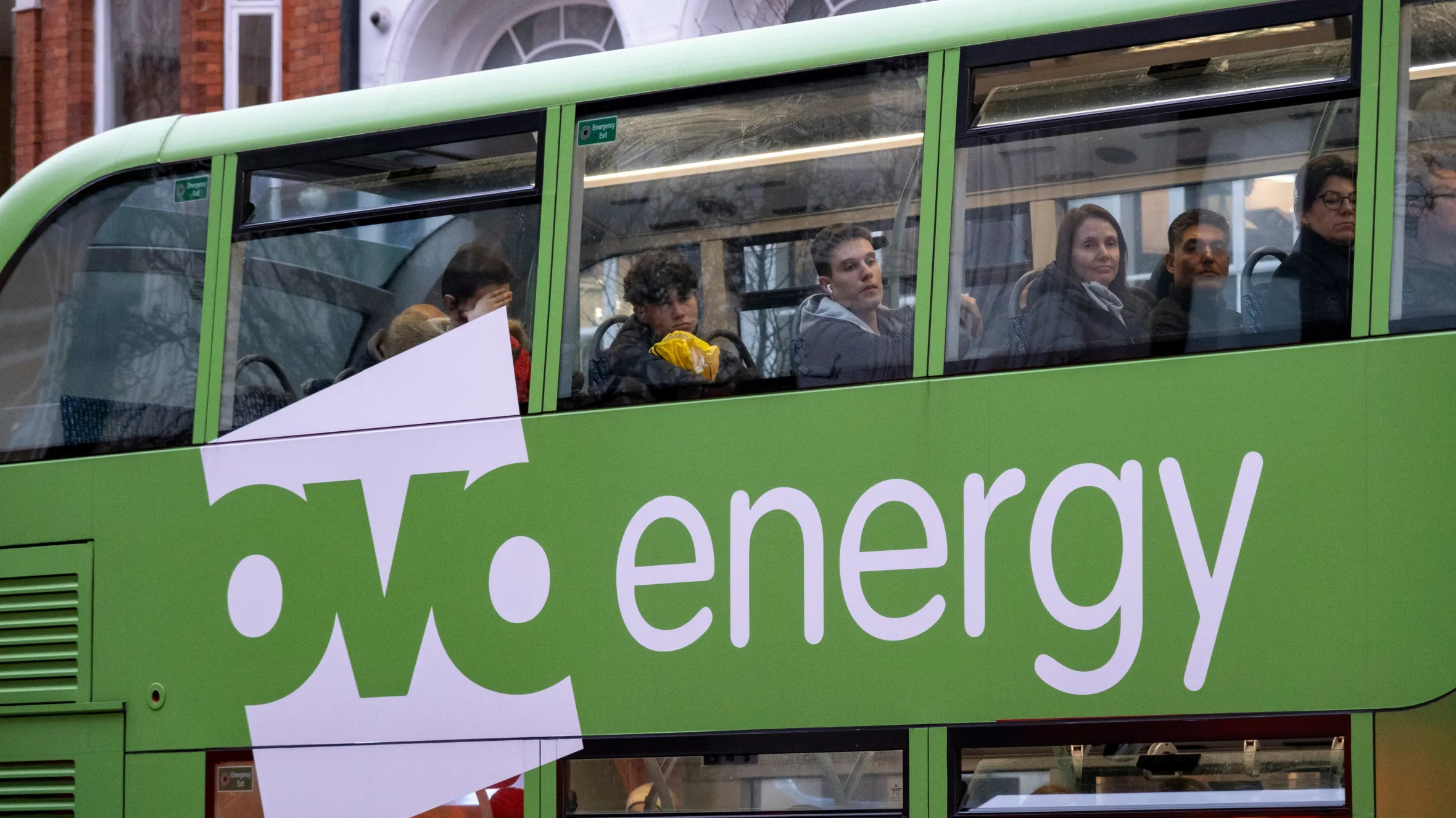
German energy giant E.ON has announced plans to acquire OVO Energy in a landmark deal that could create one of the largest energy suppliers in the United Kingdom and significantly reshape the country’s power market.
The proposed acquisition would combine EON’s 5.6 million UK customers with Ovo’s roughly 4 million customers, giving the merged company an estimated 27 percent share of Britain’s domestic electricity supply market. Industry analysts say the deal would place the combined entity ahead of rival Octopus Energy, currently one of the fastest-growing energy providers in the country.
The announcement comes at a time when the UK energy sector is undergoing major transformation following years of volatility triggered by the global energy crisis, inflation, and rising regulatory pressure. The market experienced severe disruption during the 2022 energy shock, when soaring gas prices forced dozens of smaller suppliers out of business and pushed regulators to tighten financial requirements for energy companies.
According to EON, the transaction remains subject to approval from UK regulatory authorities, including the Competition and Markets Authority and energy regulator Ofgem. The acquisition is expected to close in the second half of 2026 if approved.
Ovo’s financial position has reportedly come under increasing pressure as Ofgem introduced tougher resilience measures requiring suppliers to maintain stronger capital reserves capable of withstanding future market shocks. The company had been actively seeking investors and strategic financial support to strengthen its balance sheet amid the evolving regulatory environment.
For EON, the acquisition represents a strategic effort to expand its influence in one of Europe’s most competitive energy markets while accelerating its long-term clean energy ambitions. The company has increasingly focused on renewable energy, smart infrastructure, and energy transition technologies as Europe pushes toward decarbonization goals.
Industry experts believe the deal signals a broader trend of consolidation across global energy markets, where larger firms are using acquisitions to gain scale, improve operational efficiency, and strengthen resilience against economic and geopolitical uncertainty.
The merger could also have significant implications for UK consumers. Supporters argue that a larger and financially stronger supplier could provide greater market stability, improved infrastructure investment, and enhanced customer services. Critics, however, warn that reduced competition may eventually impact pricing flexibility and consumer choice.
The deal is expected to attract close scrutiny from regulators concerned about market concentration and competition within Britain’s energy sector. Analysts say approval processes could become lengthy as authorities evaluate the potential impact on pricing, market dominance, and energy security.
Beyond the UK, the acquisition reflects growing shifts across the global energy landscape as companies position themselves for a future shaped by renewable energy expansion, stricter climate policies, and increasing pressure to modernize aging energy infrastructure.
For investors, the transaction highlights how major utilities are adapting to a rapidly changing industry where financial resilience, scale, and energy transition capabilities are becoming critical to long-term survival and profitability.