Tanzania is close to finalising a $42 billion liquefied natural gas (LNG) investment deal that could transform its energy sector, attract international capital and support the country’s industrialisation ambitions.
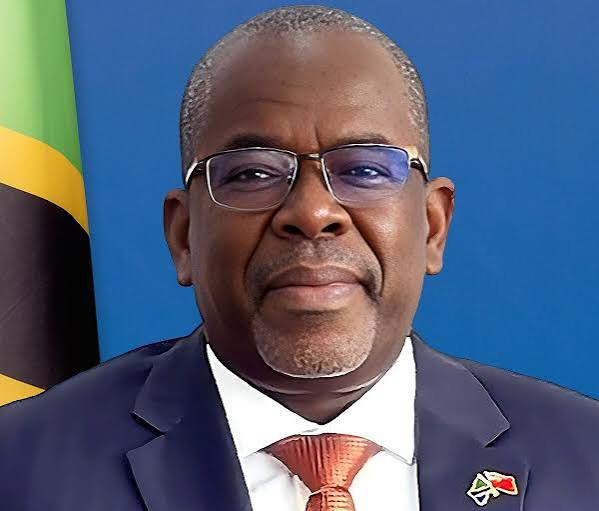
Finance Minister Khamis Mussa Omar told Reuters that the government expects to conclude agreements on several major investment projects in the coming months, with the LNG development among its top priorities.
The project, led by Norway’s Equinor and the UK’s Shell, is expected to unlock an estimated 47.13 trillion cubic feet of natural gas reserves. Other partners include ExxonMobil, Pavilion Energy, Medco Energi and state-owned Tanzania Petroleum Development Corporation.
Officials had initially expected the LNG agreement to be signed before June, but negotiations have continued. “It’s almost there,” Omar said.
Although most of the gas produced is expected to be exported, a portion will be reserved for the domestic market, potentially supporting industrial activity and strengthening Tanzania’s energy supply.
The development also forms part of a broader push to position East Africa as a major energy hub. Tanzania is preparing to facilitate Uganda’s planned first oil exports through the port of Tanga in early 2027, adding to the region’s growing role in international energy markets.
Tanzania Targets 8,000MW Power Capacity by 2030
Alongside the LNG project, Tanzania aims to nearly double its electricity generation capacity to 8,000 megawatts by 2030.
The government also plans to increase the share of energy sources it classifies as clean — including hydropower, solar, wind and natural gas — to approximately 75%.
Omar said agreements on two critical minerals projects were also nearing completion, although he declined to disclose further details. He added that US investors were showing particular interest in Tanzania’s energy and critical minerals sectors.
The government is seeking foreign investment in projects capable of generating their own revenue and supporting their long-term financial sustainability.
Government Expands Domestic Financing Options
Tanzania is also strengthening its domestic capital markets as it seeks to reduce reliance on external financing.
The government currently finances about two-thirds of its 62.3 trillion Tanzanian shilling ($23.7 billion) budget through domestic revenue. Omar said official development assistance, which previously accounted for a substantial share of government financing, now represents a very small portion of the budget.
In July, Tanzania widened foreign investor access to its domestic bond market. It subsequently launched a sovereign yield curve in August and introduced reforms intended to encourage corporate debt issuance.
The government has yet to decide whether to issue an international bond, while the central bank continues to assess the risks associated with greater foreign participation in domestic debt markets.
Tanzania is also considering whether to seek a new International Monetary Fund lending programme, with a decision expected by June, according to Omar. The country’s previous $1.7 billion IMF programme, which included an Extended Credit Facility and a climate-focused Resilience and Sustainability Facility, concluded in July.
If finalised, the LNG agreement would represent a major milestone in Tanzania’s efforts to attract long-term investment, expand energy infrastructure and build a stronger industrial base while diversifying its sources of economic growth.