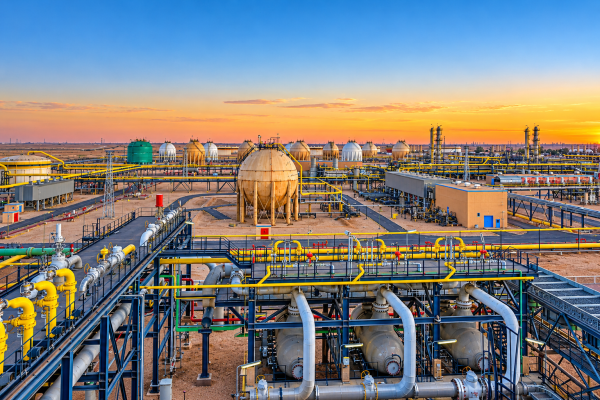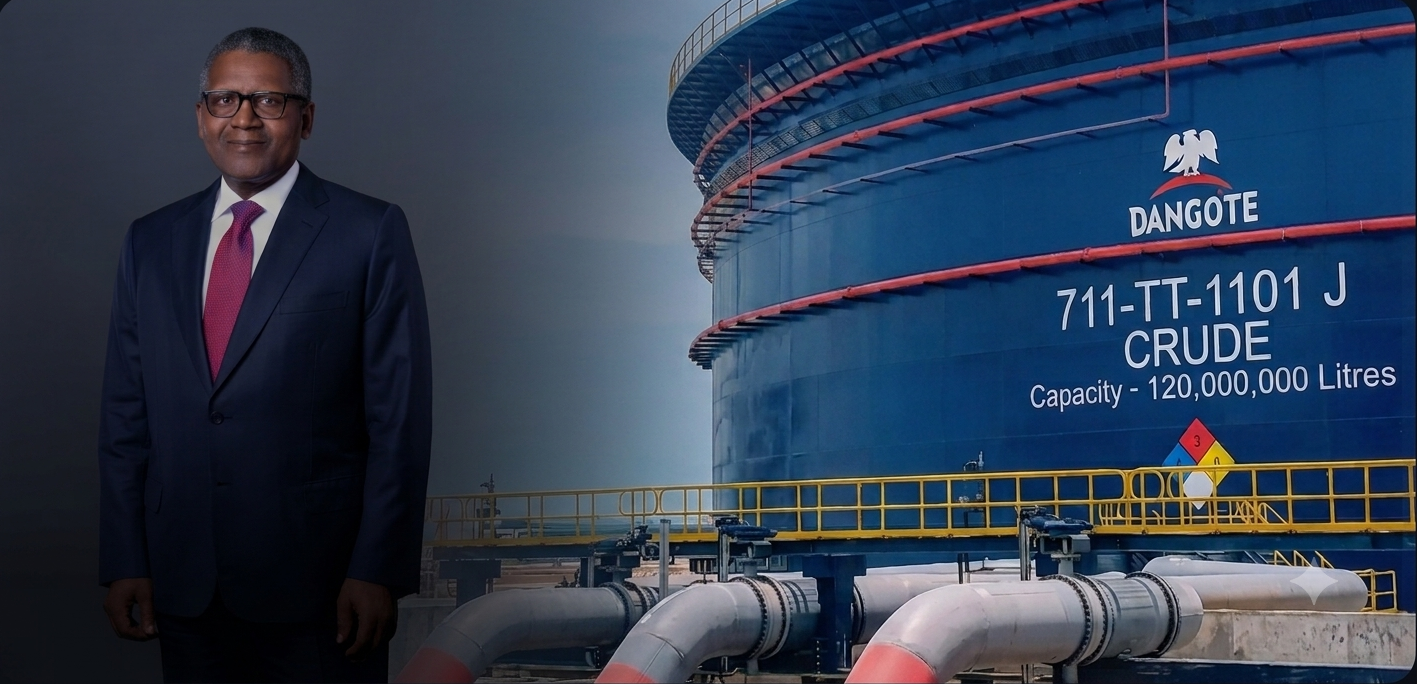
The competitive landscape of the Nigerian downstream petroleum sector is undergoing a massive transformation as the Dangote Petroleum Refinery officially revives its free petrol delivery initiative. The first phase of this nationwide rollout targets key high demand hubs including Lagos, Ogun, Rivers, Kaduna, Delta and the Federal Capital Territory Abuja.
Under this strategic program, independent marketers purchasing directly from the multi billion dollar Lekki facility can lock in Premium Motor Spirit at a fixed gantry price of 1075 Naira per litre without incurring any additional transportation or haulage fees. To further ease liquidity constraints for local players the refinery is attaching a ten day credit window for qualified buyers who meet the minimum procurement threshold of 250000 litres.
This shift comes on the heels of Dangote dissolving its previous consortium distribution model which granted exclusive supply structures to a select group of major marketers. By ending those legacy arrangements and opening direct loading to all qualified distributors the refinery is bypassing traditional middlemen and optimizing the entire distribution chain. Part of the logistics strategy relies on deploying a growing fleet of compressed natural gas powered trucks which significantly reduces both transit emissions and traditional diesel costs associated with moving fuel across the country.
The broader independent market is already feeling the ripples of this structural adjustment. Representatives from the Independent Petroleum Marketers Association of Nigeria have noted that direct access coupled with zero logistics fees has helped drive down average retail pump prices by over 125 Naira per litre in recent weeks. As distribution friction eases across these six pilot regions regional price disparities are expected to shrink creating a more unified and competitive retail pricing environment across the country.
Boardroom Voices Africa Insight
From a corporate governance and macroeconomic perspective, Dangote is executing a textbook vertical integration play to capture absolute market share in the West African energy corridor. By eliminating haulage costs and offering credit terms, the refinery is effectively turning logistics into a loss leader to crowd out imported product parity and weaken the pricing power of independent depots. For boardroom executives across banking manufacturing and fast moving consumer goods this model offers a masterclass in market disruption. It signals that long term margin stability in Nigeria will no longer depend on external regulatory interventions but on the sheer efficiency of domestic supply chains. Businesses should watch how quickly this program scales to secondary states as it will directly impact corporate transport overhead and consumer disposable income for the rest of the year.