African Brands Rebound, But Global Giants Still Dominate Consumer Loyalty
The latest Brand Africa 100: Africa’s Best Brands 2026 report has revealed a striking paradox at the heart of Africa’s economic journey.
While Africans increasingly believe that African countries are driving the continent’s development and future prosperity, their admiration for homegrown brands continues to lag behind global competitors.
For the ninth consecutive year, the five most admired brands in Africa are foreign brands, led by Nike, Adidas, Samsung, Apple, and Coca-Cola. No African brand currently ranks among the continent’s Top 10 most admired brands. Yet beneath these rankings lies a more encouraging story: African brands have staged a significant comeback, accounting for 15% of the Top 100 brands in 2026, up from 11% in 2025.
The Rise of African Brand Power
The 2026 rankings highlight the growing influence of African corporate champions that continue to build trust across borders.
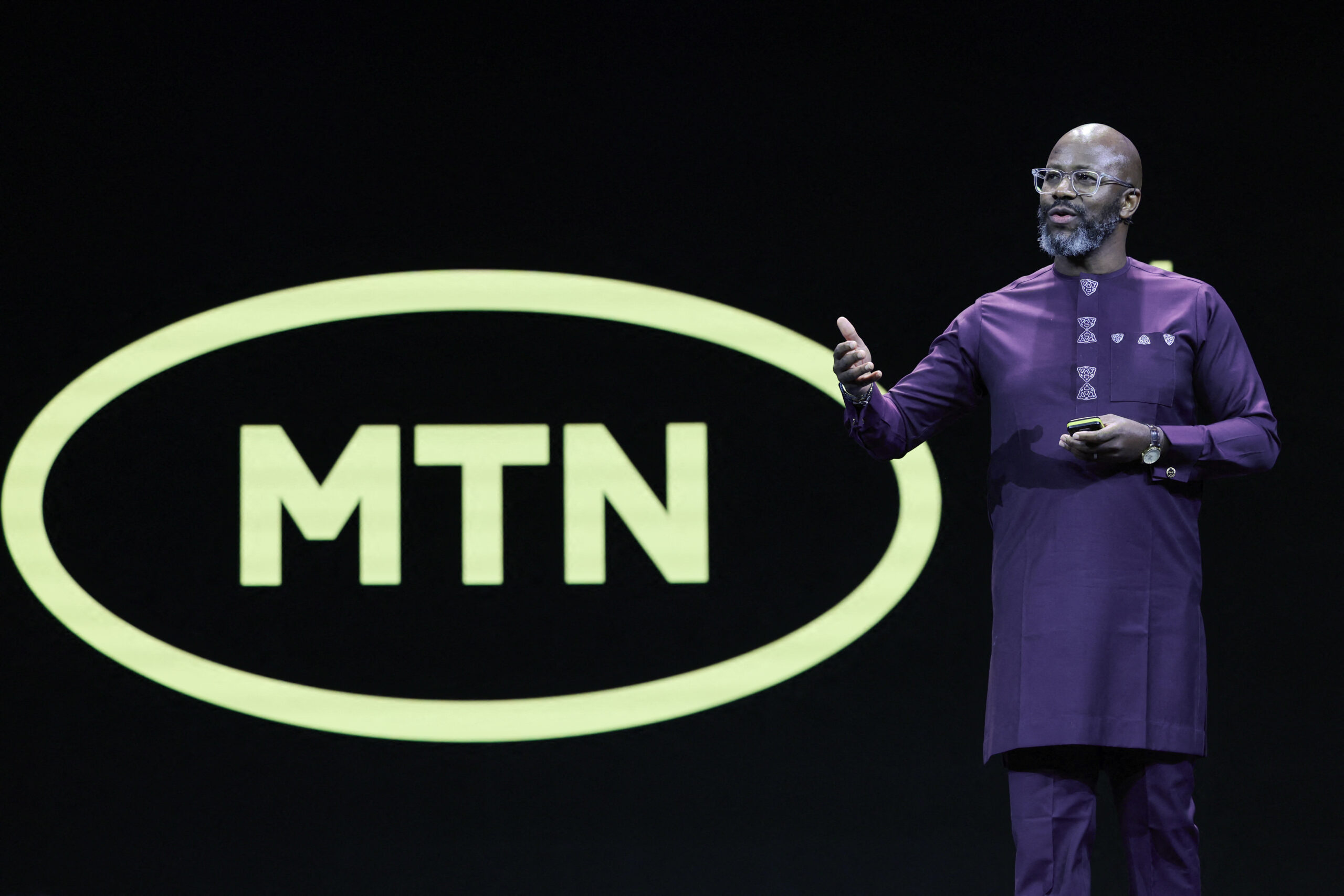
Telecommunications giant MTN Group remains Africa’s highest-ranked homegrown brand and continues to dominate consumer recall across multiple generations. Meanwhile, Dangote Industries has strengthened its position as one of Africa’s most admired brands and was ranked as the leading African brand contributing to a better Africa.
Another standout performer is Ethiopian Airlines, which continues to symbolize African connectivity and global competitiveness. Together, these brands represent the type of continental-scale businesses that many experts believe Africa needs more of if it is to compete globally.
The report also highlights the emergence of new African success stories, particularly in fashion, retail, and consumer goods, demonstrating that African brands can achieve recognition beyond their domestic markets.
Why This Matters for Africa
Brand strength is more than a marketing metric it is an economic asset.
Strong brands attract investment, create jobs, support exports, command customer loyalty, and improve global competitiveness. Countries with globally recognized brands often enjoy greater economic influence and stronger participation in international value chains.
Africa’s challenge is not a lack of entrepreneurship or innovation. Rather, it is the difficulty of scaling businesses across fragmented markets, regulatory barriers, infrastructure gaps, and limited access to growth capital.
The Brand Africa report reinforces a critical point: Africa’s economic future depends not only on producing goods and services but also on building brands that consumers trust and prefer.
The African Consumer Paradox
One of the most significant findings of the 2026 rankings is what Brand Africa describes as the “African loyalty paradox.”
While African countries dominate perceptions of who is contributing to a better Africa, African brands account for only 15% of the continent’s most admired brands. The majority of consumer admiration remains concentrated among European, American, and Asian brands.
This disconnect highlights an important challenge for African companies.
Consumers may support the idea of African development, but when making purchasing decisions, many still choose global brands with stronger visibility, broader distribution networks, and deeper marketing investments.
Closing this gap could unlock billions of dollars in economic value for African businesses.
Nigeria’s Growing Influence
Nigeria continues to strengthen its position as one of Africa’s most important brand markets.
Dangote remains one of the continent’s most admired and influential brands, while Nigerian financial institutions, consumer brands, and technology companies are increasingly expanding their presence across Africa. The country’s entrepreneurial ecosystem, large consumer market, and growing industrial base provide a strong foundation for future brand development.
As Africa’s largest population and one of its leading economies, Nigeria’s ability to build globally recognized brands will play a major role in shaping the continent’s commercial future.
The Role of AFCFTA
The African Continental Free Trade Area (AFCFTA) could become one of the most powerful tools for strengthening African brands.
By reducing trade barriers and improving market access, AFCFTA creates opportunities for businesses to scale across borders and build continent-wide recognition.
The brands that successfully leverage this opportunity are likely to become Africa’s next generation of corporate champions.
Boardroom Voices Africa Insight
The 2026 Brand Africa rankings deliver both a warning and an opportunity.
The warning is that global brands continue to dominate African consumer preferences despite growing continental pride.
The opportunity is that African brands are beginning to regain ground.
The future winners will be the companies that combine innovation, quality, sustainability, and pan-African ambition to build trusted brands across multiple markets.
Africa’s next economic transformation will not be driven solely by natural resources, infrastructure, or technology.
It will also be shaped by the strength of the brands that represent the continent to its own people and to the world.