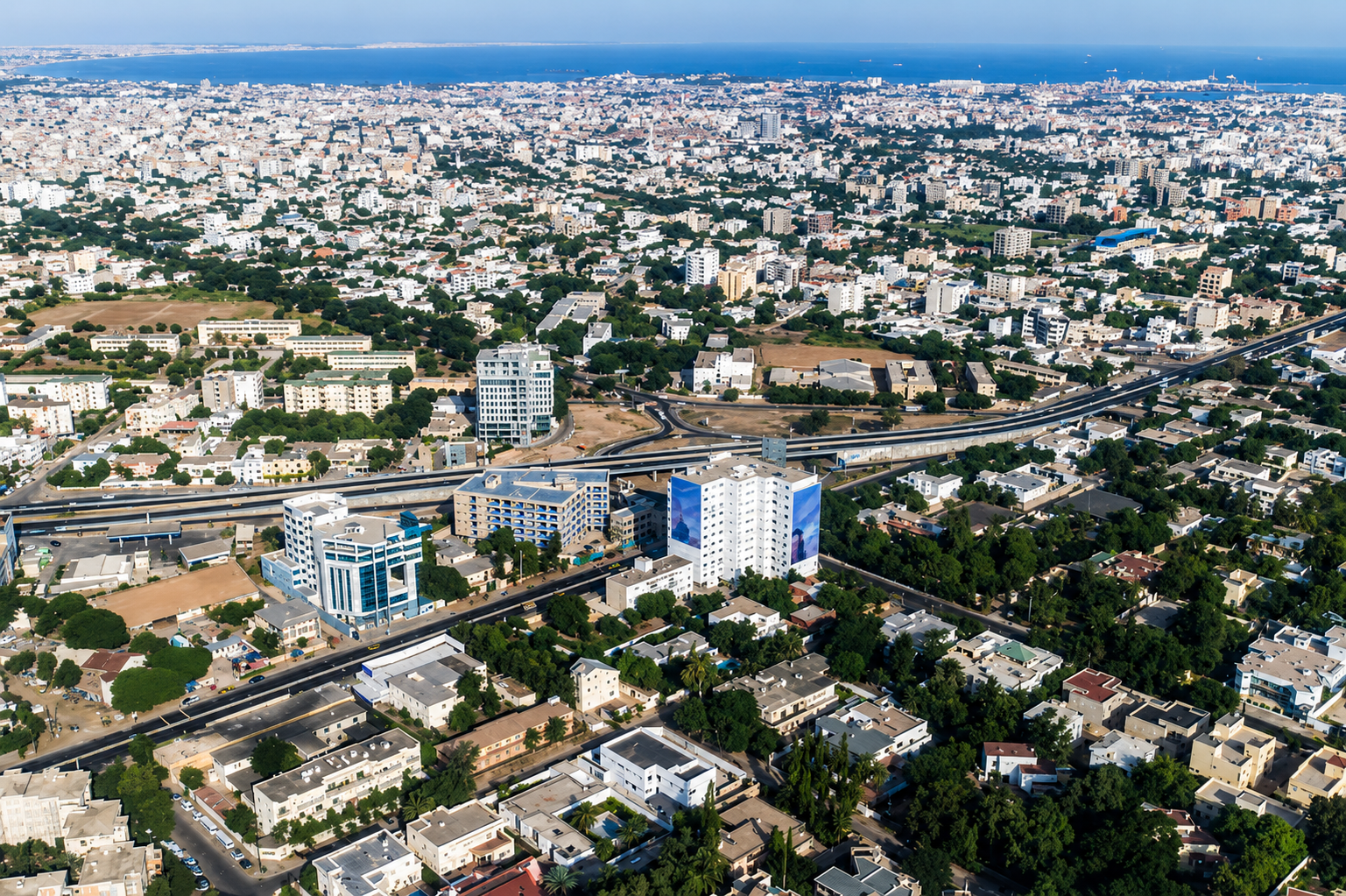
The International Monetary Fund is sending a full team to Dakar this week to engage in technical discussions with Senegalese authorities as the nation works to secure a new lending arrangement. The visit, scheduled from August 19 to September 1, signals a notable shift in the long-running effort to restore the fiscal partnership between Washington and the West African state.
This mission represents the latest step in a process that began in 2024, when the government disclosed that public debt levels were substantially higher than previously understood. That revelation led to the suspension of a prior 1.8 billion-dollar financing program and effectively locked Senegal out of international capital markets. Since then, the country has relied heavily on regional borrowing to meet its obligations.
Recent developments suggest that the path toward a new program is widening. Beyond the upcoming visit, officials from the Ministry of Budget have reportedly held talks with representatives from China, which stands as the largest bilateral creditor for the nation. Resolving the complexities surrounding debt transparency remains a central pillar of these negotiations, with the IMF team looking to reach a shared understanding of the reforms needed to anchor macroeconomic stability.
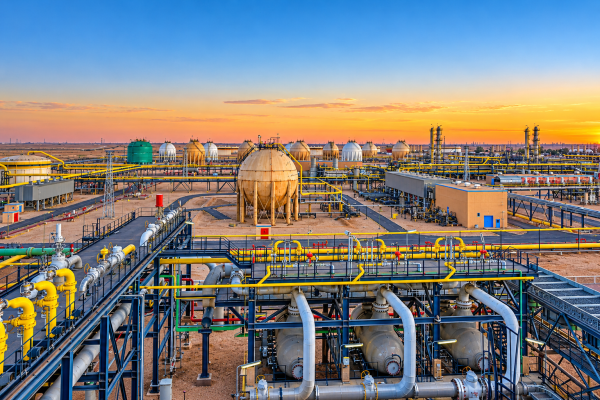
The stakes for the Senegalese economy are significant. Growth forecasts for 2026 have been under pressure as the country navigates a difficult global environment and the weight of its current debt burden. While the hydrocarbon sector has shown resilience, the broader fiscal situation remains delicate. The discussions in Dakar will likely center on strategies to strengthen public financial management, improve fiscal governance, and define the policy priorities that will form the bedrock of a potential future agreement.
Mission Chief Mercedes Vera Martin and her team are tasked with evaluating the current financing outlook and assessing what structural changes are required to support sustainable growth. For investors and market participants who have watched Senegal closely since the debt misreporting crisis emerged, this two-week engagement serves as a key indicator of whether the government can successfully navigate its way back to a formal international support framework.
Boardroom Voices Africa Insight
The deployment of a full IMF mission to Dakar is a strong signal that both parties are moving past the initial friction caused by the 2024 debt audit. However, securing a new program is not merely a technical exercise in accounting. It requires a delicate balance between implementing the fiscal discipline demanded by international lenders and maintaining the social and developmental spending necessary to keep the domestic economy moving. While the progress is encouraging, the primary challenge remains: Senegal must convince the IMF that its debt path is sustainable while simultaneously ensuring that the necessary austerity measures do not stall the very growth sectors, such as energy, that are essential for long-term recovery. Investors should watch for the post-mission statement for clear signs of whether the government is prepared to commit to the specific governance reforms that the Fund views as nonnegotiable.