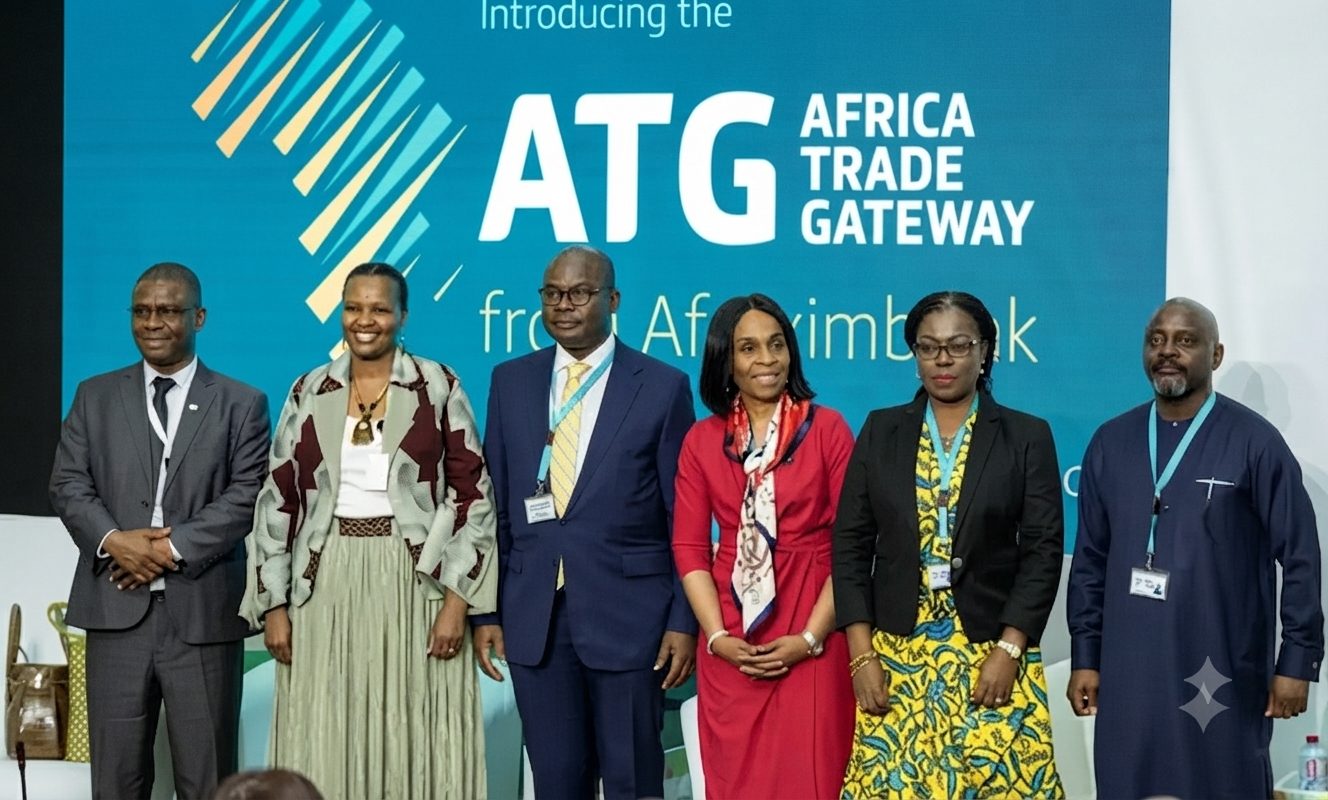
Trade across Africa is entering a transformative phase as digital infrastructure changes how major commercial agreements are executed. A striking example of this evolution unfolded recently when a massive cross-border fuel arrangement worth 5.3 million dollars successfully crossed the finish line. This achievement stands out not only for its financial weight but also for representing the first energy-sector trade completed in the Southern African region using the innovative digital framework known as the Africa Trade Gateway.
Operated under the umbrella of the African Export Import Bank as a flagship digital ecosystem designed to streamline commerce, the platform served as the critical bridge connecting multiple international players. The intricate transaction centered on Witeva Trading, a Zimbabwean fuel importer that needed to secure a substantial shipment of gasoil. Sourcing the commodity from a premier Swiss supplier required a high level of coordination, trust, and financial backing. Through the unified digital network, the various entities found a seamless path to collaborate without the traditional bottlenecks that usually plague international commerce.
Financial institutions played a pivotal role in ensuring the venture moved smoothly from a mere commercial prospect to a fully realized reality. Innbucks Microbank Limited stepped into the arrangement as the local issuing financial institution, marking a major institutional milestone by completing its maiden transaction through the platform. Meanwhile, the African Export Import Bank provided essential confirmation support under a carefully structured trade finance agreement. By bringing the buyer, the international supplier, and the local bankers together into a single virtual environment, the ecosystem eliminated the friction that typically slows down cross-border deals.
Industry leaders have been quick to note the broader implications of this milestone. Regional directors and banking executives involved in the project emphasize that the success highlights the immense value of consolidating trade services into one accessible digital marketplace. Rather than navigating fragmented channels, businesses can now leverage integrated systems to discover verified partners, secure necessary financing, and finalize complex logistics with unprecedented speed. This capability is particularly vital for the energy sector, where timely delivery and secure payment structures are non-negotiable for maintaining economic stability.
The completion of this specific arrangement opens up exciting possibilities for regional integration. As more corporate entities and financial institutions plug into the digital infrastructure, the marketplace grows increasingly robust, fostering higher levels of trust among participants. This momentum aligns closely with broader continental objectives aimed at boosting intra-African trade and reducing reliance on external pathways. By demonstrating that high-value energy transactions can be executed smoothly through a homegrown digital ecosystem, the pathway is now cleared for similar ventures to replicate this success across different commodity markets.
Boardroom Voices Africa Insight
The successful execution of this cross-border energy transaction proves that Africa’s digital trade infrastructure has moved beyond theory and is now delivering tangible commercial results. For corporate leaders and financial institutions, adopting unified digital ecosystems is no longer just an operational upgrade but a strategic imperative to scale operations efficiently and capture emerging intra-continental opportunities.