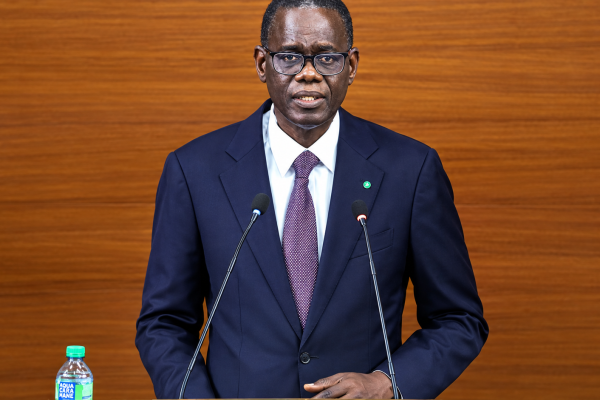
Ivory Coast is moving forward with ambition on its path toward becoming a resilient upper-middle-income nation. The West African government has established a comprehensive development blueprint for the years spanning from 2026 to 2030, supported by an impressive financial commitment of nearly $80 billion secured from international and private backers. This massive capital injection is designated for critical infrastructure projects, including modern transportation networks, advanced manufacturing facilities, upgraded healthcare centers, reliable energy grids, and modernized agricultural systems. The nation is actively pursuing broad economic diversification to reduce its traditional reliance on raw commodity exports and build a more dynamic marketplace.
This financing milestone represents one of the largest economic mobilizations in the country’s modern history, reflecting profound global confidence in its macroeconomic stability and reform agenda. State authorities are prioritizing industrial expansion, domestic value addition, and enhanced public service delivery to foster long-term prosperity and economic self-sufficiency.
Alongside this capital influx, the country is carefully recalibrating its foreign partnerships. While maintaining robust ties with traditional international partners, authorities are increasingly welcoming investments from diverse global players, including Asian markets, to establish local manufacturing plants and pharmaceutical production facilities. This evolving strategy is designed to curb import dependency, generate specialized technical employment, and secure critical supply chains for essential medical goods across the region.
In the energy sector, authorities are simultaneously upgrading fuel production capacities and deepening regional cooperation. During scheduled maintenance at its primary domestic refinery, the government has arranged temporary petroleum imports from Nigeria to maintain steady market supply. This cross-border collaboration highlights the growing integration of West African energy markets and demonstrates how neighboring states can jointly address operational hurdles.
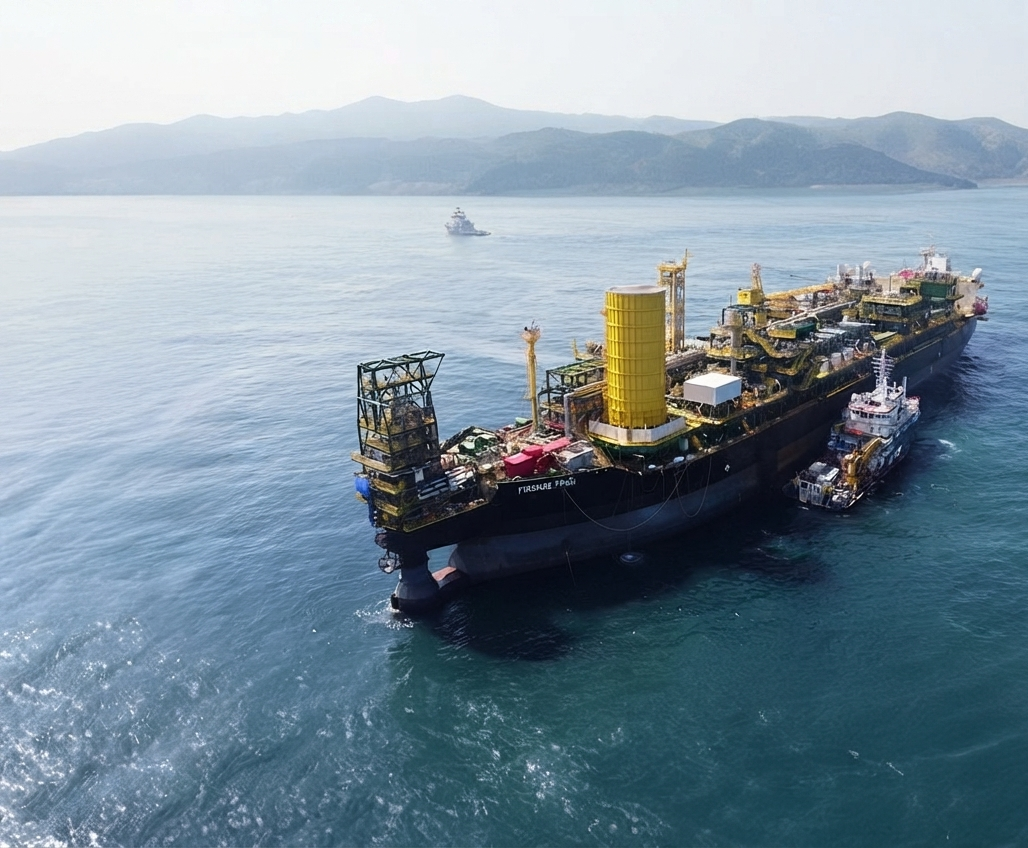
Concurrently, decision-makers are advancing toward the final investment approval for Phase 3 of the Baleine hydrocarbon project, which stands as the nation’s premier oil and gas initiative. Upon completion, this expansion is projected to elevate output to roughly 150,000 barrels of oil daily, substantially augmenting public revenues and cementing the nation’s status as a rising energy powerhouse in the subregion.
Through these concerted efforts in industrialization, regional diplomacy, and infrastructural modernization, Ivory Coast is well positioned to unlock new economic horizons and secure a prosperous future for its population.
Boardroom Voices Africa Insight
The remarkable mobilization of capital by Ivory Coast illustrates a vital shift from passive resource exportation to active value creation, proving that sustained macroeconomic discipline and strategic regional partnerships can successfully attract global confidence on a massive scale.