São Tomé and Príncipe is a tiny island nation off the coast of Central Africa. Currently, it is undergoing significant economic changes that remain largely under-reported internationally. For a long time, the country’s economy relied on a single crop. However, in the past year, conditions have evolved rapidly: a new citizenship program, a major oil agreement, and renewed efforts to expand tourism. Collectively, these initiatives indicate the nation is attempting to transition away from the economic framework established during the colonial era.
A Colony Built on Cocoa
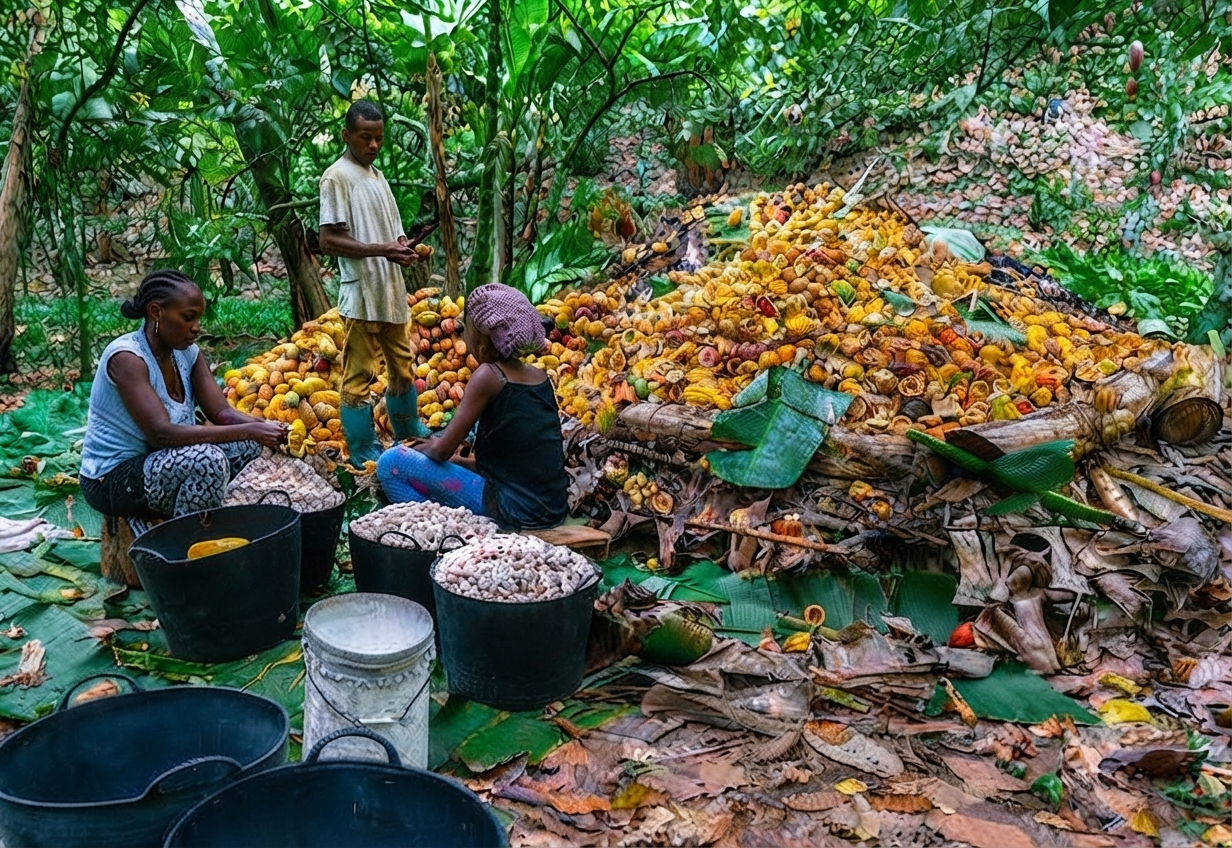
Portugal assumed control of São Tomé and Príncipe in the late 1400s. The islands became prominent for cocoa production, which was cultivated on large plantations known as roças. Initially, these farms utilized enslaved labor. Subsequently, after the abolition of slavery in Portuguese colonies, the system transitioned to contract labor. Upon achieving independence in 1975, the government nationalized these plantations; however, cocoa production failed to return to its previous output levels. Consequently, São Tomé and Príncipe remained one of the smallest and least-developed economies in Africa.
A Passport Program Built on Old Connections
In 2025, the government launched a Citizenship by Investment program. Applicants may obtain a passport by contributing a minimum of $90,000 to a fund supporting clean energy, education, and infrastructure. The first passports were issued in January 2026, with the majority of applicants originating from Germany, India, Russia, China, and Nigeria. This program leverages the country’s historical ties to Portugal. As a member of the Lusophone (Portuguese-speaking) community, the São Toméan passport facilitates residency in Portugal and provides a pathway to Brazilian citizenship after just one year.
Oil Takes Over Where Cocoa Left Off
The most significant shift may be occurring offshore. On July 9, 2026, the Brazilian oil company Petrobras acquired a 75% interest in an oil block near São Tomé, designated as Block 3. The firm is partnering with a Nigerian entity and the national oil agency of São Tomé. The country has not previously maintained an oil industry. Should commercial quantities of oil be discovered, it would fundamentally transform the economy, providing a revenue stream independent of cocoa agriculture.
Building Tourism From Scratch
Concurrent with oil and passport initiatives, São Tomé is prioritizing the tourism sector. In June 2026, approximately forty local experts participated in a training program facilitated by the United Nations. The initiative aimed to establish a database to track tourism metrics, enabling the government to quantify the sector’s economic contribution and attract further investment. This development mirrors the broader national strategy of fostering new economic pillars.
The Big Picture
These developments address a foundational challenge. Colonial rule left São Tomé and Príncipe small, dependent on foreign aid, and reliant on a single crop. Fifty years post-independence, the government is diversifying its economic strategy through citizenship programs, hydrocarbon exploration, and tourism development. This represents a concerted effort to move beyond the economic structures inherited from the colonial period. If successful, these initiatives could provide the foundation for a more resilient and varied economy.
Boardroom Voices Africa Insight
The economic pivot of São Tomé and Príncipe serves as a pertinent case study for small island developing states (SIDS) attempting to shed colonial-era economic monocultures. By leveraging geopolitical positioning (Lusophone ties) and natural resource potential alongside modern investment vehicles, the nation is actively seeking to diversify its revenue base. For investors and stakeholders, the key to sustainability will be the rigorous management of these new capital inflows to ensure that infrastructure development and institutional transparency keep pace with these rapid economic shifts.