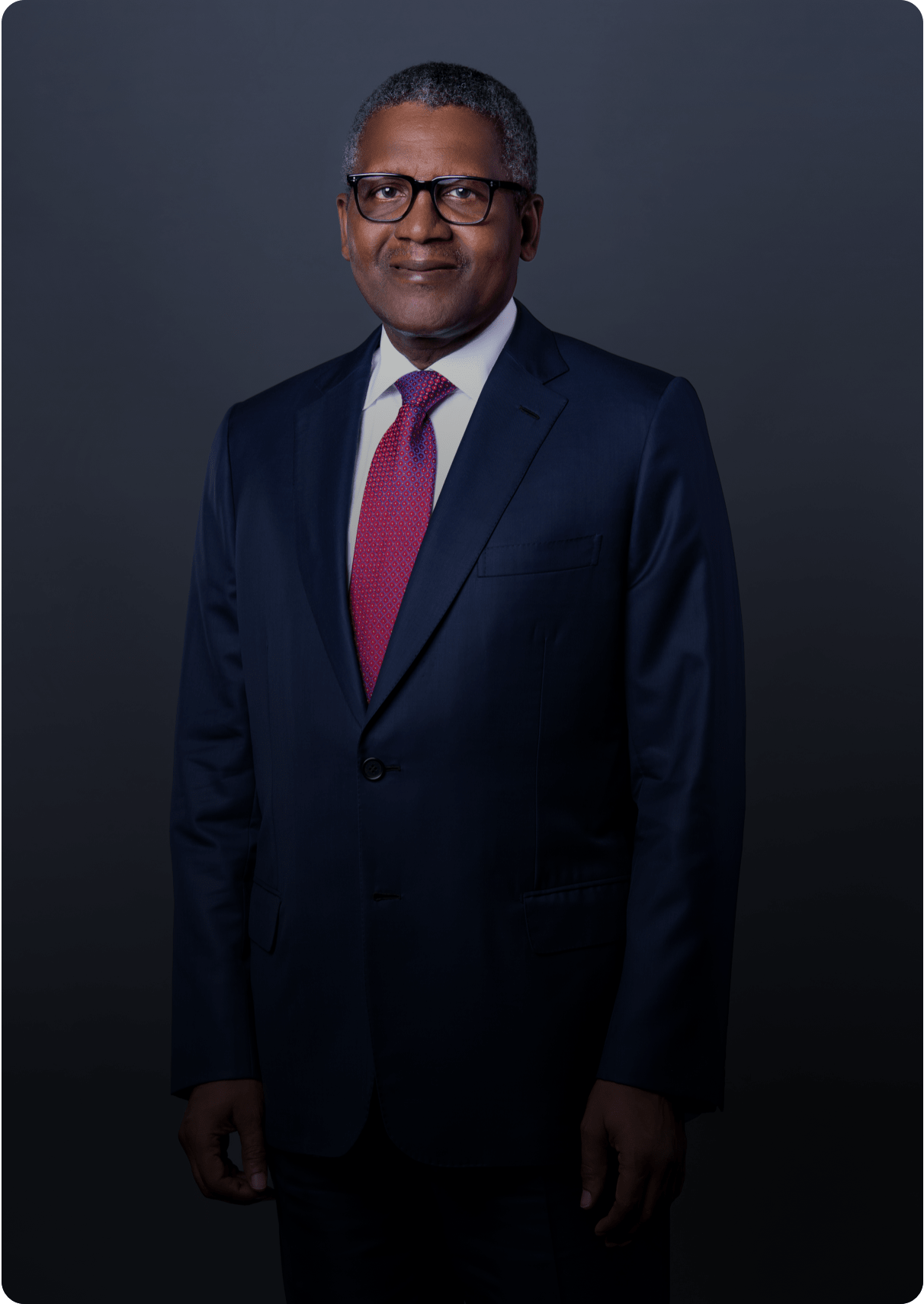
From oil refining to fertilizer production, Dangote is betting billions on African industrialization and pushing for a future where the continent manufactures, trades, and grows on its own terms.
When Aliko Dangote speaks about Africa’s future, global markets listen. But this time, the billionaire businessman delivered something deeper than a corporate statement he issued a challenge to Africa’s wealthy elite.
Dangote is urging African investors, entrepreneurs, and professionals living abroad to stop exporting their capital, talent, and ambitions overseas while the continent continues importing nearly everything it consumes.
His message is simple:
“Africa cannot be built from London, Dubai, Paris, or New York.”
And he is backing those words with billions of dollars in industrial investments.
The Real Story Behind Dangote’s Expansion
At the center of this movement is the massive expansion of the Dangote Group across energy, manufacturing, fertilizer, logistics, and continental trade infrastructure.
The company’s refinery and fertilizer operations are becoming symbols of a larger economic shift happening across Africa:
Africa wants to stop exporting raw materials and importing finished products.
For decades, African economies have largely depended on:
- exporting crude oil,
- exporting minerals,
- exporting agricultural commodities,
while importing:
- refined fuel,
- fertilizer,
- machinery,
- processed food,
- and industrial products at higher costs.
Dangote believes that cycle must end.
Why The Dangote Refinery Matters Beyond Nigeria


The Dangote Refinery is not just another oil project.
It represents one of Africa’s biggest attempts at economic self-sufficiency.
Once operating at full capacity, the refinery is expected to:
- reduce Africa’s dependence on imported fuel,
- strengthen regional trade,
- lower pressure on foreign exchange,
- create industrial jobs,
- and reposition Nigeria as a refining hub for West Africa.
For years, Africa produced crude oil but imported refined petroleum from Europe and Asia.
Dangote is trying to reverse that equation.
The Bigger Vision: AfCFTA
A major part of Dangote’s strategy aligns with African Continental Free Trade Area (AfCFTA), the trade agreement designed to increase business between African countries.
If fully implemented, AfCFTA could create:
- one of the world’s largest free-trade zones,
- stronger African supply chains,
- and a new generation of continental industrial giants.
Dangote’s expansion into multiple African markets signals that African companies are beginning to think continentally — not just nationally.
That shift is critical.
Because the next phase of Africa’s growth may not come from aid or foreign dependency.
It may come from African-owned industrial ecosystems.
The Return Of African Capital?
Dangote’s comments also expose a growing debate inside Africa’s business class:
Why do many wealthy Africans build outside the continent instead of inside it?
From luxury real estate in Europe to offshore investments and foreign bank holdings, trillions in African wealth sit outside Africa.
Dangote is arguing that:
- if African capital stays in Africa,
- if African entrepreneurs manufacture locally,
- and if African governments support industrial policy,
the continent could accelerate economic transformation far faster than many expect.
What This Means For Young African Entrepreneurs

This moment is bigger than one billionaire.
It signals a larger transition:
- from consumption to production,
- from dependency to ownership,
- from exporting resources to building industries.
For young African founders, creators, and business leaders, the message is becoming clear:
The future opportunity in Africa is infrastructure, manufacturing, energy, logistics, technology, and ownership.
Not just visibility.
Final Word Boardroom Voices Africa
Africa’s industrial era may finally be entering a new chapter.
And whether people agree with Dangote or not, one reality is becoming difficult to ignore:
The continent’s biggest economic players are no longer only talking about African potential.
They are trying to build it at scale.
Share this story


